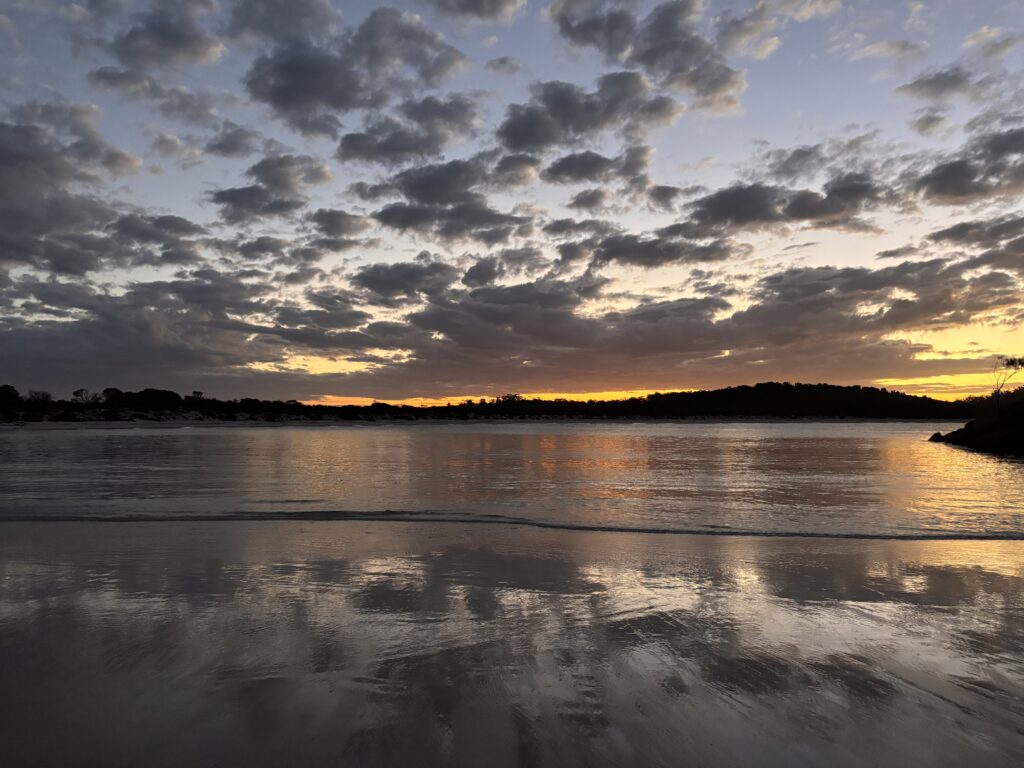
The waters surrounding Bruny Island represent one of Australia’s most intricate and productive marine interfaces—a meeting point of the East Australian Current, the Southern Ocean, and the tannin-rich outflow of the Derwent Estuary. This complexity creates a haven for unique biodiversity, from the ancient Handfish of the channel reefs to the vast seagrass meadows that serve as critical carbon sinks. However, this depth and beauty is currently under strain, as detailed in the attached data and recent disclosures.
The Scale of Mortality and Waste Management
The attached EPA mortality data for March 2026 reveals a stark picture of the biological pressure facing the aquaculture sector, with 3,816 tonnes of fish waste requiring management. As noted by Ian Sale, this equates to the loss of an estimated 1.5 million fish in March alone.
The management breakdown underscores a reliance on ensiling/land spread (2,396 tonnes) and rendering (1,066 tonnes) . While zero tonnes went directly to landfill this month, the sheer volume of organic material entering terrestrial and marine nutrient cycles—particularly during a quarter where January and February also saw elevated totals of 2,025t and 3,356t respectively—represents a significant alteration to the region’s natural biogeochemical balance.
Persistent Contamination: The Florfenicol Legacy
The beauty of Bruny Island’s coastline—a destination for wild abalone divers and rock lobster fishers—is shadowed by the data emerging regarding antibiotic persistence. According to the Tasmanian Greens media release dated today, April 22, 2026:
“Florfenicol has been detected in the marine environment two months after it was last used… It appears levels of the antibiotic have still not fallen below the limit of reporting.“
This disclosure aligns with earlier concerns raised in the ABC News report on March 4, 2026, which confirmed that the Australian Pesticides and Veterinary Medicines Authority (APVMA) suspended the antibiotic’s permit due to “unacceptable risk.” The fact that traces remain detectable near Tassal leases two months post-treatment confirms a troubling persistence in the cold, complex water column off Bruny’s shores.
The Cruel Irony
The juxtaposition of the two datasets is the critical story this week: Despite the controversial deployment of florfenicol as a treatment, mortalities surged to a peak of 3,816 tonnes in March 2026. The antibiotic did not prevent the loss of 1.5 million fish, yet its residue continues to linger in the environment, jeopardizing the pristine reputation—and export market access—of Bruny’s wild fisheries.
The ongoing EPA monitoring, with results yet to be fully released to the public, leaves a veil of uncertainty over the health of the deeper reef systems that make this southern environment so globally exceptional.
Peter Droege