
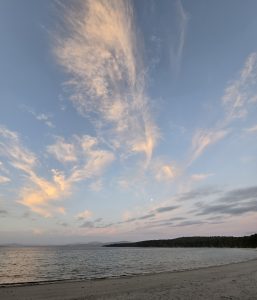
Not one, but many: Bruny Island is a modular marine-based ecosystem Look at Bruny Island from the sea on a still morning, and it appears singular: a long, dark ridge of dolerite and eucalypt, drawn between the Channel and the…
The ocean is under attack. Not in some distant future, not in some abstract way. but here, now, in the waters that shape this island. The island is not a retreat. Not a place to escape the world's problems, not…
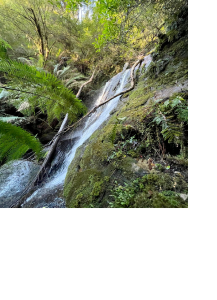
When the wells run dry, look to the trees Bruny Island’s drinking water shortage—over-extracted aquifers, drying creeks, and a landscape thatis losing its ancient ability to hold moisture—is not a problem that begins on land and stays there.It is a…
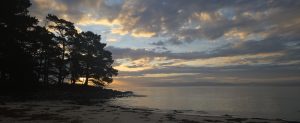
On the privilege of being an ocean-aware Bruny Islander There is a particular kind of knowing that comes from living on an island shaped by the Roaring Forties, where the Southern Ocean meets the D'Entrecasteaux Channel and the sky seems…
Several BIEN members collaborated to lodge a submission in response to the Tasmanian Government’s consultation on the Draft Study Plan and Draft Stakeholder Engagement Plan for the Independent Study of the Tasmanian Salmon Industry. This can viewed/downloaded below BIEN_Submission_Salmon_studyDownload
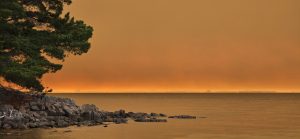
The Ocean in Trouble, and the Island that responds. Three pieces of news this week, dispatched from across the globe, land like naval shells on Bruny's shore. Each is a different symptom of the same planetary disease — an industrial…
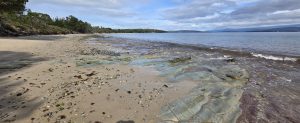
The tide is turning In the weeks since we imagined the Bruny BlueBioSphere—where the sea is the yin to the island’s yang—the path toward that vision has been lit by real, hopeful, tangible steps. The BlueBioSphere is already alive -…
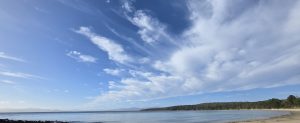
A blue-print for a living sea where island and sea can breathe as one again Look at Bruny Island not from the road, but from the water. From a boat in the D’Entrecasteaux Channel, the island is a long, low…
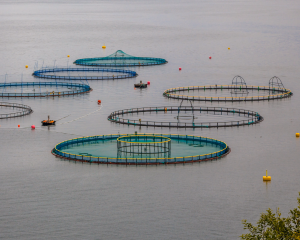
The Norway mirror: projecting Scandinavian lessons onto Bruny Island and Southern Tasmanian waters Two recent investigations—one an exclusive Guardian report published 4 May, the other a major Sunstone Institute multimedia feature—have laid bare the cumulative ecological cost of Norway's salmon…